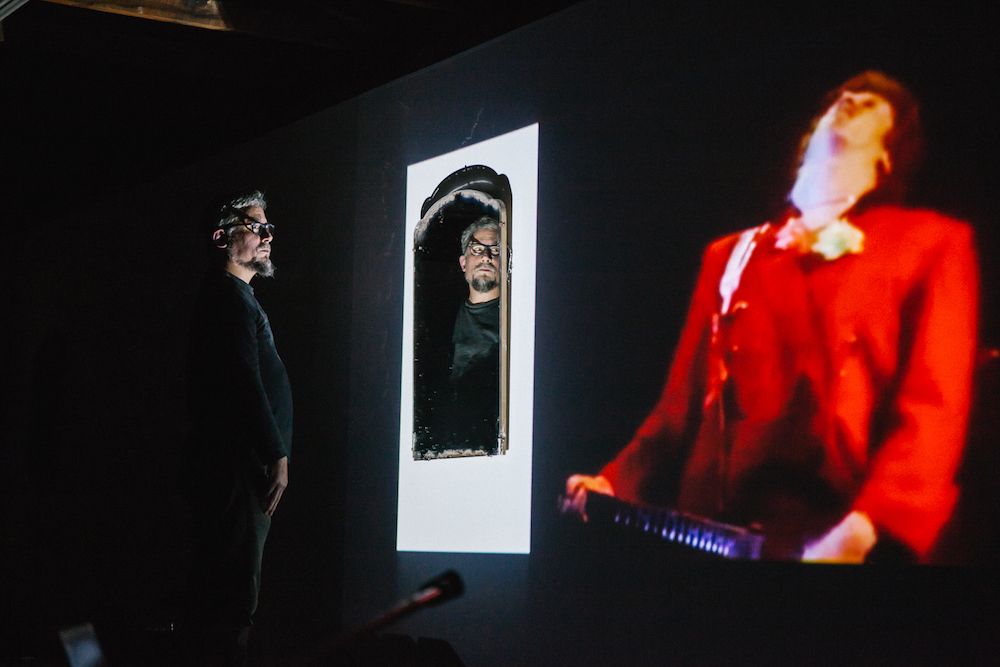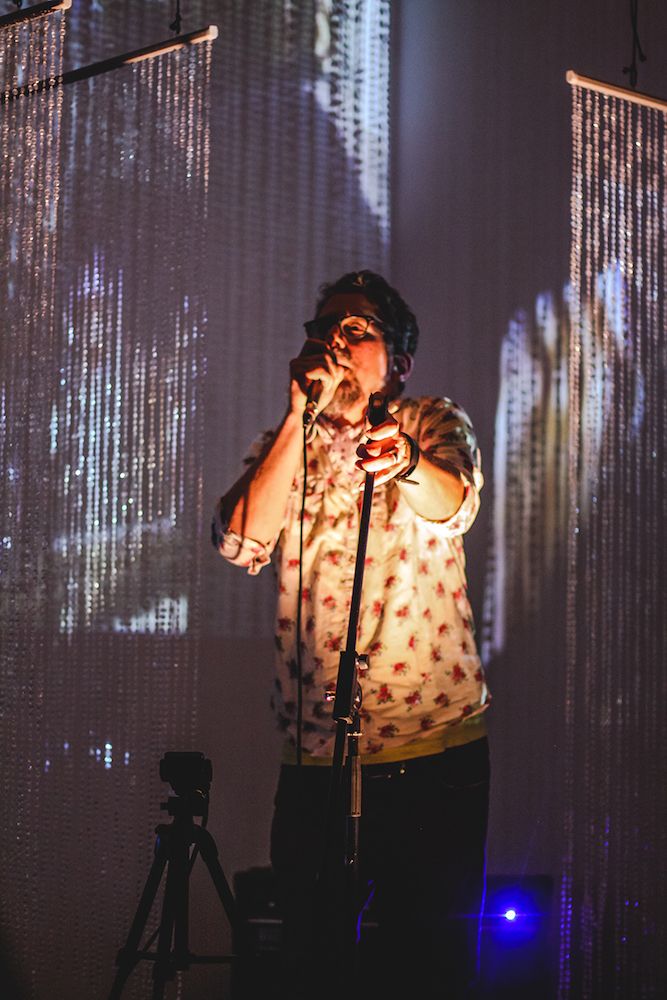
In this workshop with renowned artist, musician, and writer, Seth Kim-Cohen you will read, listen, think, and write in intellectual and poetic registers, attempting to come to grips with how sense—in both senses—is made, and how language can be used as a tool for understanding and experiencing sound.
Famously, somebody once said, “Writing about music is like dancing about architecture.” Sometimes it was Elvis costello who said it. Sometimes it was Laurie Anderson, or Thelonious Monk, or Frank Zappa. Once in a while it was Brian Eno. (But, let’s face it, if someone else had said it first, Brian Eno eventually would have gotten around to saying it again.) Based on other people’s exhaustive research,* it appears – in actuality - to have been comedian Martin Mull who actually said it. By now, the quip has assumed the form of a truism. Even professional music critics throw their hands up and admit that their life’s work is a fool’s errand.
This workshop doesn’t buy it. For starters, in either sense of the word about, all dancing is about architecture. If by about one means “on the subject of,” or “concerning,” then it seems a given that dancing must always concern itself with the architecture in which it is danced. Any dance necessarily tells us something about the architecture that constrains it. And if by about one means “to express location in a particular place,” then surely every dancer dances about the architecture. One dances about the bedroom as much as one dances about the ballroom.
This workshop will address itself to the “aboutness” of writing about sound. We will read music criticism and sound studies texts, attending closely to how good writer-thinker-listeners use language as a tool of understanding and experience. We will examine both the intellectual and the poetic registers, attempting to come to grips with how sense – in both senses – is made. And we will try our own hands at this too, producing writing about sound in order to engage our expanded conceptions of both aboutness and sense, using the former to discover ( and, in some cases, to invent) the latter.